
This exploratory case study uses a combination of classroom observation and key informant interviews to evaluate Dallas/Fort Worth (DFW) Fire Training Research Center鈥檚 interactive software for ARFF training in airport and aircraft familiarization and strategies and tactics applications. The findings can inform how professional ARFF training can be improved internationally and how ARFF curriculum integration can be shaped using this technology.
Project Details
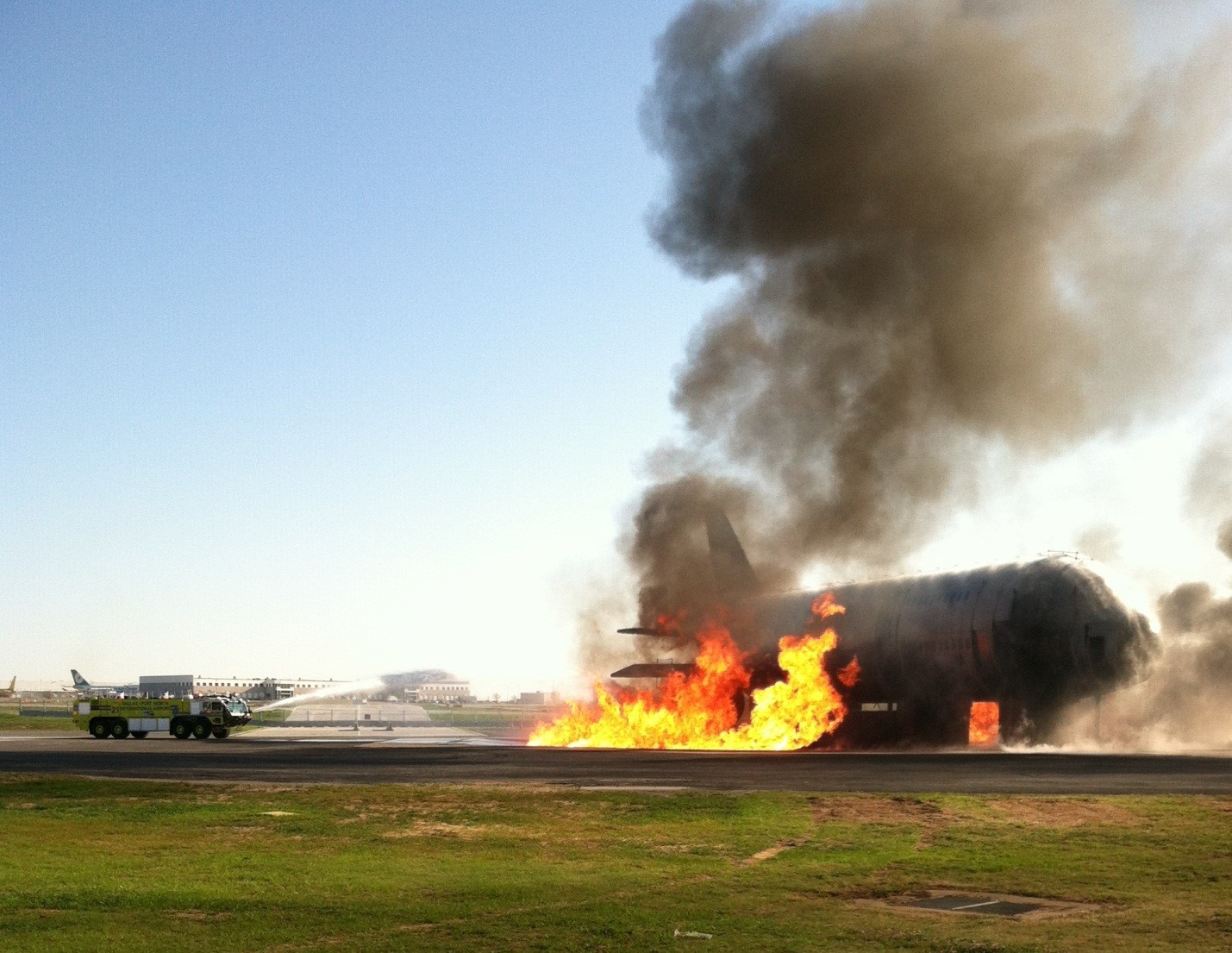
The study found that knowledge and accelerated haptic skill transfer were positively associated with the virtual reality software, and that interactive participation and memory reinforcement were supported by the findings. Time required for curriculum development advancing further integration of the software into the training program was a significant administrative and operational challenge. Future research should evaluate pedagogy to categorize learning constructivism using simulator-based and software-supported education and training. How virtual reality software may be applied to public safety professions where risk is an inherent part of training remains a crucial need in the industry.
Research Team
Principal Investigators

Associate Professor of the Practice and Curriculum Coordinator
- Department of Applied Aerospace Science
- Worldwide College of Aviation